
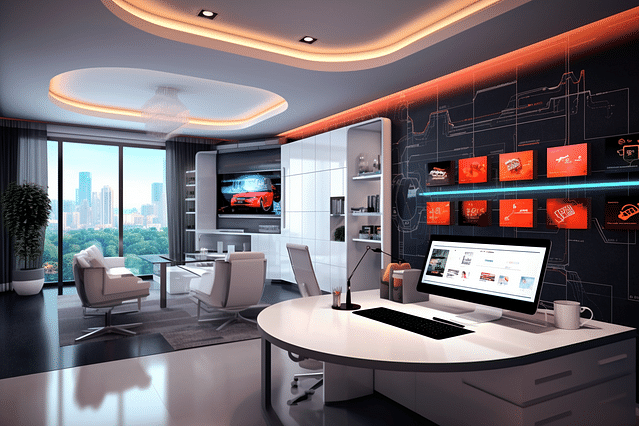
Cubical Automation: How to Make Your Workspace Smart
It's no secret that technology is rapidly advancing and transforming the way we live and work. With the rise of the Internet of Things (IoT), smart homes are becoming increasingly popular. However, what about smart offices? That's where cubical automation comes in. In this post, we'll explore how to make your workspace smart with cubical automation and the benefits it can offer.
What is cubical automation?
Cubical automation refers to the integration of smart devices into offices and workspaces. It involves the use of sensors, controllers, and software to automate tasks, monitor usage, and optimize energy consumption. With the right equipment, cubical automation can reduce energy costs, improve comfort, and enhance productivity.
How can I automate my cubicle?
The first step in automating your cubicle is to evaluate your needs and available devices. Here are a few examples of automated devices that can help you achieve a smart workspace:
Smart Lighting - Smart lighting systems can be programmed to turn on and off depending on occupancy, time of day, and natural light levels.
Smart Thermostats - Smart thermostats can be set to regulate the temperature in your cubical based on the time of day, occupancy, and personal preferences.
Occupancy Sensors - These sensors can detect when someone is in the cubicle and turn on or off devices accordingly. For example, when the user is seated, lights can dim or switch on automatically.
Voice Assistants - Voice assistants such as Amazon's Alexa or Google Assistant can control devices in the cubicle through voice commands. This device can help save time by enabling you to perform routine tasks without having to touch your devices directly.
Once you've decided which devices to integrate into your cubicle, it's time to set them up. Suppliers often provide instructions. You will need control systems for your automated device. Control systems can be apps or smart hubs. The control systems allow you to connect the devices and set the rules for behavior.
Benefits of cubical automation
Smart cubicles offer several benefits that can improve your productivity and comfort in the workplace. Here are a few of the benefits:
Cost Savings - By automating devices such as lighting and HVAC systems, you can save money on your energy bills.
Improved Comfort - With the help of automated thermostats, lighting, and other devices, you can set the ideal temperature and ambiance for your cubicle throughout the day.
Time Savings - Automating routine tasks and setting voice commands can save you time that you can use to focus on more important activities.
Enhance Productivity - By reducing manual input, you can increase productivity. For example, having automated lights and HVAC will reduce distractions, allowing you to concentrate more productively.
Conclusion
Cubical automation can help to create a smart workspace, increase productivity, and save you money in energy bills. By focusing on installing useful automated devices and controls, setting rules for behavior, and using smart hubs or apps, you can create a smart office in your cubicle. Start with evaluating your available devices and identify the ones with the greatest impact. Then set them up, and configure an app or smart hub control system to manage them. Implement the intelligent devices that offer the most convenience and productivity. You'll soon see the benefits of a smart office.
Posted on: Apr 3, 2022 Last updated at: May 4, 2023